


Hydraulic systems are widely used in manufacturing, construction, agriculture, automotive, and industrial applications. These systems rely on hydraulic oil to transfer power smoothly between different components. However, continuous operation can generate a significant amount of heat. If this heat is not controlled properly, it can affect system performance, reduce component life, and eventually lead to costly downtime.
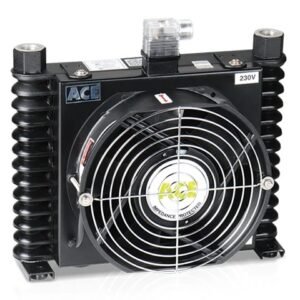
This is where Hydraulic Oil Coolers become essential.
Hydraulic oil coolers are designed to remove excess heat from hydraulic fluid and maintain the oil within a suitable operating temperature range. By controlling oil temperature, these cooling systems help hydraulic equipment operate more efficiently, reliably, and safely.
https://mannusagar.online/From hydraulic power packs and CNC machines to heavy industrial machinery, the right oil cooler can make a noticeable difference in equipment performance. Depending on the application, manufacturers can choose from different cooling technologies, including air-cooled and water-cooled systems.
In this guide, we will explore hydraulic oil coolers, their working principles, benefits, applications, and how to choose the right solution for your equipment.
What Are Hydraulic Oil Coolers?
Hydraulic Oil Coolers are heat-exchanging devices used to reduce the temperature of hydraulic oil. During hydraulic operation, energy losses caused by friction, pressure drops, and mechanical movement are converted into heat.
A hydraulic oil cooler removes this unwanted heat before the oil returns to the hydraulic circuit.
The basic purpose is simple:
Generate heat → Transfer heat to the cooler → Remove heat → Return properly cooled oil to the system
Maintaining an appropriate oil temperature helps hydraulic equipment deliver consistent performance over longer operating periods.